

Pure Gadwal Silk Sarees

Pure Gadwal silk sarees represent one of India's most treasured weaving traditions, combining cotton bodies with silk borders to create stunning, lightweight drapes. These handwoven masterpieces from Telangana appeal to saree enthusiasts, collectors, and anyone who appreciates authentic Indian textiles with rich cultural heritage.
This guide covers everything you need to know about Gadwal sarees. You'll discover the unique craftsmanship that makes these sarees special, including their signature weaving technique that joins different fabrics seamlessly. We'll also walk you through how to spot authentic pieces and avoid imitations in today's market. Finally, you'll learn practical styling tips for various occasions and essential care methods to keep your Gadwal silk saree looking beautiful for years to come.
Understanding Gadwal Silk Heritage and Craftsmanship
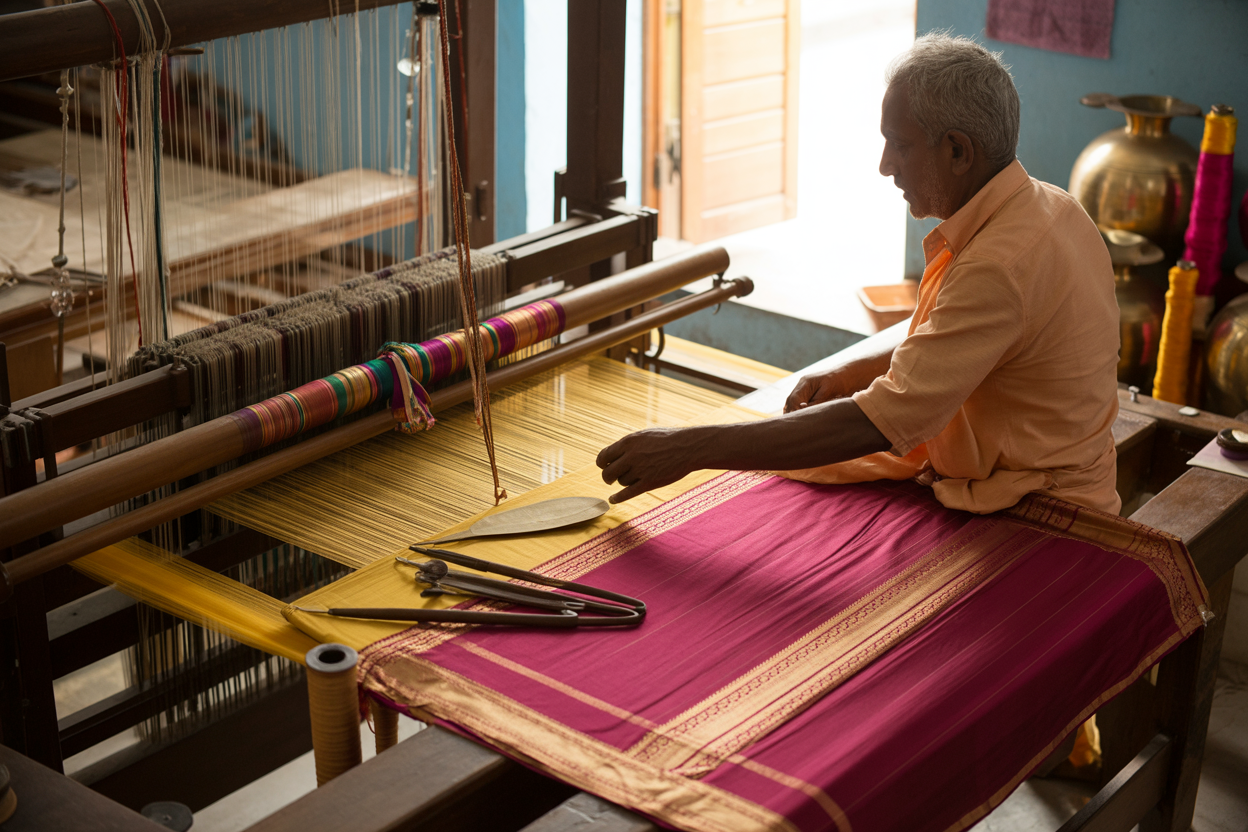
Ancient Weaving Traditions of Gadwal Region
The Gadwal region in Telangana has been home to extraordinary textile artisans for over 300 years. These skilled craftsmen developed their techniques during the reign of the Nizam rulers, who patronized fine textiles and encouraged innovation in weaving methods. The art form flourished under royal protection, with weavers creating exquisite pieces for nobility and wealthy merchants.
Local folklore tells of weavers who migrated from different parts of South India, bringing diverse techniques that eventually merged into the distinctive Gadwal style. The region's strategic location along ancient trade routes exposed artisans to various cultural influences, enriching their creative repertoire.
Traditional Gadwal weaving involves:
Hand-operated pit looms passed down through generations
Natural dyeing processes using local plants and minerals
Intricate pattern planning that takes days of preparation
Collaborative family workshops where skills transfer naturally
Unique Cotton-Silk Combination Technique
Gadwal sarees showcase a revolutionary weaving innovation that sets them apart from other Indian textiles. The body features fine cotton, while the borders and pallu display rich silk threads. This cotton-silk fusion creates a fabric that's both comfortable and luxurious.
The technical brilliance lies in the joining process, where cotton and silk sections connect seamlessly through a technique called "kupadam" or "temple border." Master weavers use a special interlocking method that makes the junction virtually invisible, creating the illusion of a single fabric type throughout.
Key technical aspects include:
Precise tension control between different yarn types
Strategic color placement to maintain visual harmony
Calculated thread counts that balance durability with drape
Specialized border attachment methods unique to Gadwal
This combination offers practical benefits - the cotton body provides breathability and comfort, while silk borders add elegance and durability. The contrast creates striking visual appeal without compromising wearability.
UNESCO Recognition and Cultural Significance
Gadwal silk earned geographical indication status and UNESCO recognition for its exceptional cultural value. This acknowledgment highlights the craft's importance in preserving Indian textile heritage and supporting traditional livelihoods.
The recognition brings several benefits:
International awareness of authentic Gadwal craftsmanship
Protection against imitation and misrepresentation
Economic opportunities for traditional weaving communities
Documentation and preservation of ancient techniques
Cultural significance extends beyond textile production. Gadwal sarees represent regional identity, with specific motifs and colors carrying symbolic meanings. Wedding ceremonies, festivals, and important celebrations often feature these sarees as symbols of prosperity and tradition.
Master Weavers and Their Generational Expertise
Family-based weaving units form the backbone of Gadwal's textile industry. Master weavers, often in their 60s and 70s, possess knowledge accumulated over decades of practice. Their expertise covers every aspect - from selecting raw materials to achieving perfect color combinations.
These artisans maintain apprenticeship traditions where children learn by observation and gradual participation. Young weavers start with simple tasks like thread preparation and gradually advance to complex pattern creation. The learning process typically spans 10-15 years before achieving master status.
Current challenges include:
Younger generations migrating to urban areas for education
Competition from machine-made alternatives
Rising costs of quality raw materials
Need for design innovation while preserving authenticity
Many master weavers now work with design institutes and cultural organizations to document techniques and train new artisans, ensuring this precious craft survives for future generations.
Distinctive Features That Set Gadwal Sarees Apart
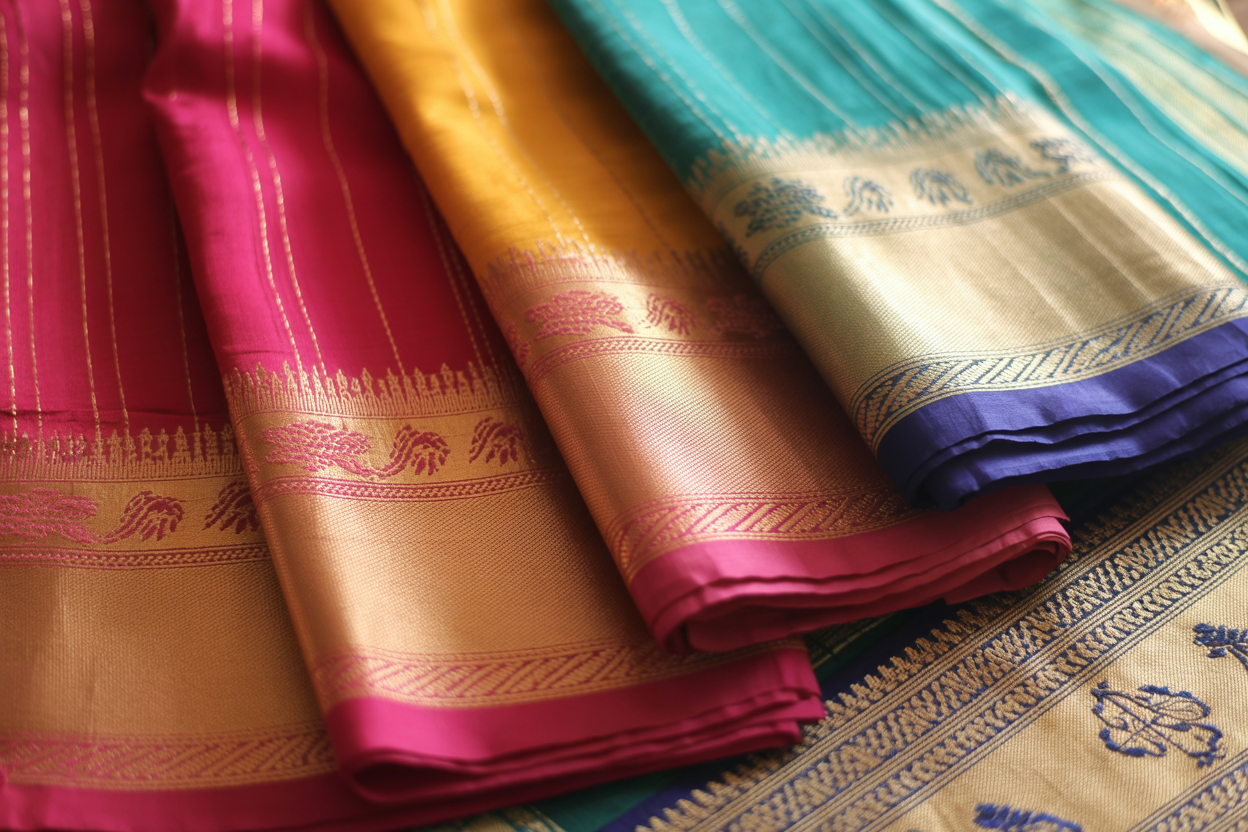
Signature Zari Borders and Contrast Combinations
Gadwal sarees showcase an exceptional approach to zari work that makes them instantly recognizable. The hallmark feature lies in their bold, contrasting borders that create a striking visual impact. Traditional Gadwal weavers masterfully combine vibrant body colors with contrasting border hues - think deep maroon bodies with rich golden borders, or elegant navy blue with silver accents.
The zari work in authentic Gadwal sarees employs real gold and silver threads, creating borders that range from 4 to 12 inches in width. These borders feature geometric patterns, paisleys, and floral motifs that stand out dramatically against the main fabric. The contrast isn't just about color - it's about creating a perfect balance between the silk body and the metallic richness of the zari.
What makes Gadwal borders truly special is their three-dimensional quality. The zari threads are woven in a way that creates depth and texture, making the borders appear to almost lift off the fabric. This technique, passed down through generations, gives each saree a regal appearance that catches light beautifully from every angle.
Lightweight Comfort with Silk Elegance
Despite their luxurious appearance, Gadwal silk sarees surprise wearers with their remarkable lightness. This unique characteristic comes from the specific weaving technique and the quality of silk used. The weavers create a fabric that feels substantial enough to drape beautifully while remaining comfortable for extended wear.
The silk used in Gadwal sarees has a particular fineness that allows for intricate weaving without adding bulk. The threads are processed to maintain their natural elasticity, which means the saree moves gracefully with the wearer's body. This flexibility makes Gadwal sarees perfect for long ceremonies, weddings, or cultural events where comfort is essential.
The lightweight nature doesn't compromise the silk's natural sheen or durability. The fabric maintains its structure beautifully, creating clean, crisp pleats that stay in place throughout the day. This balance between elegance and practicality has made Gadwal sarees a favorite among women who appreciate both beauty and comfort in their traditional wear.
Intricate Temple Motifs and Traditional Patterns
Gadwal sarees feature an impressive repertoire of traditional motifs that reflect the region's rich cultural heritage. Temple architecture heavily influences the design vocabulary, with many sarees showcasing intricate gopuram (temple tower) patterns, mandala designs, and sacred geometric shapes that carry deep spiritual significance.
The most coveted Gadwal sarees display temple motifs woven directly into the fabric rather than printed on top. These motifs include:
Rudraksha patterns symbolizing divine protection
Lotus designs representing purity and prosperity
Peacock motifs signifying grace and beauty
Kalasam (pot) designs indicating abundance
Creeper and vine patterns representing growth and fertility
Traditional Gadwal patterns also incorporate elements from nature and daily life. Parrots, elephants, and floral vines are woven with remarkable precision, often requiring weeks to complete a single saree. The complexity of these designs reflects the weaver's skill level, with master craftsmen creating patterns so intricate they appear almost photographic.
The placement of these motifs follows traditional rules - larger temple designs typically appear on the pallu (end piece), while smaller, repetitive patterns grace the body of the saree. This thoughtful arrangement creates visual harmony and ensures the saree tells a complete artistic story from border to border.
Quality Identification and Authentication Guide
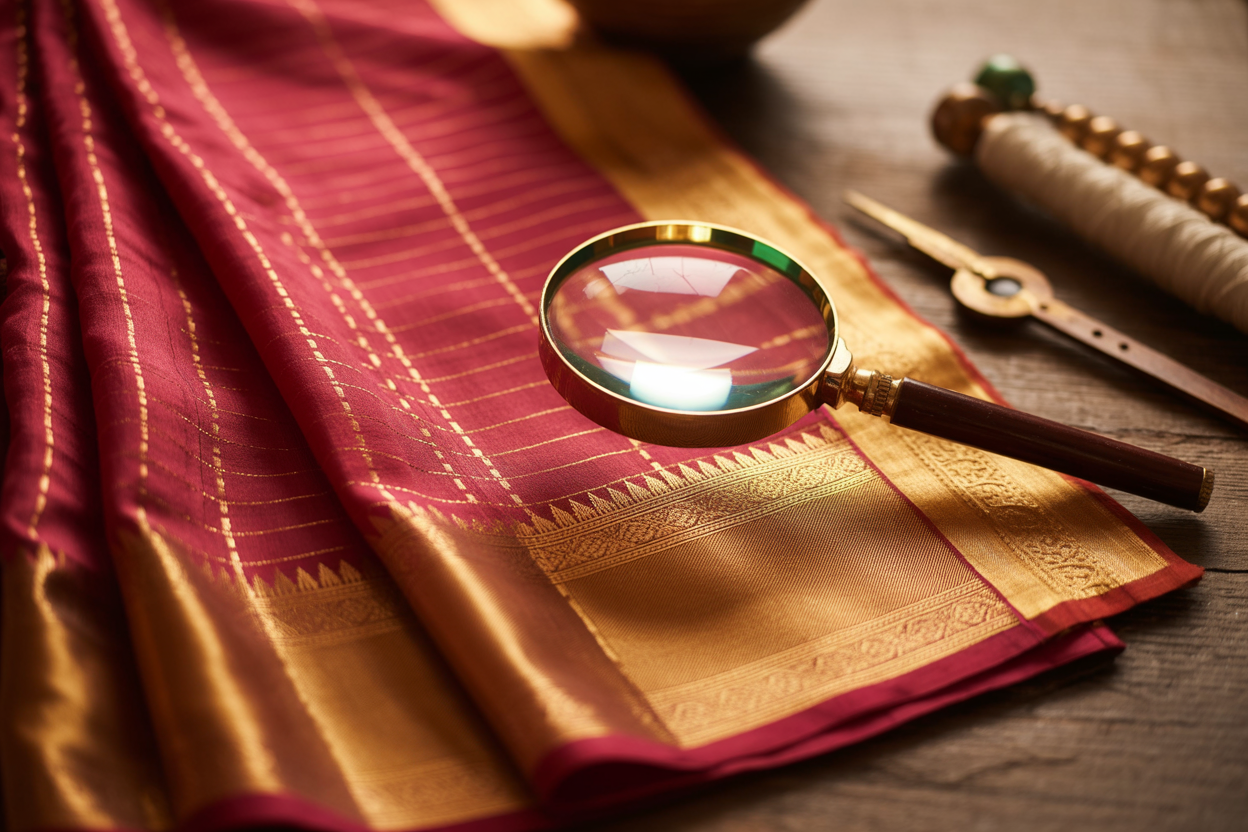
Recognizing Genuine Handloom Construction
Authentic Gadwal silk sarees display specific telltale signs of handloom craftsmanship that machine-made imitations simply can't replicate. Look for slight irregularities in the weave - these aren't flaws but proof of human hands at work. The selvage edges should feel firm and show tiny variations in tension, while machine-made versions appear perfectly uniform.
Check the pallu attachment carefully. In genuine Gadwal sarees, the cotton body and silk pallu are joined using the 'korvai' technique, creating an interlocked weave rather than a sewn attachment. This junction should feel seamless when you run your fingers across it, with no visible stitching lines.
The thread count varies slightly throughout authentic pieces, creating a subtle texture difference that you can feel. Machine looms produce identical tension across the entire fabric, resulting in a flat, uniform feel that lacks the characteristic drape of handwoven silk.
Testing Fabric Quality and Silk Purity
Pure silk has distinctive characteristics that help separate authentic pieces from synthetic blends. The burn test works reliably - pull a few threads from an inconspicuous area and carefully burn them. Pure silk produces a smell similar to burning hair and leaves behind dark, crushable ash. Synthetic fibers melt into hard beads and emit chemical odors.
Feel the fabric between your fingers. Genuine silk maintains a cool touch initially, then warms to your skin temperature. It should have natural luster that changes angle with light movement, unlike the static shine of artificial materials.
Water absorption provides another reliable test. A small drop of water on pure silk absorbs gradually, while synthetic fabrics often repel moisture or absorb it too quickly. The fabric should also pass the static test - pure silk doesn't generate static electricity when rubbed, unlike synthetic alternatives.
Verifying Traditional Weaving Techniques
Gadwal's signature three-shuttle technique creates distinctive patterns that authenticate traditional methods. The cotton body, silk borders, and silk pallu each require separate shuttles, creating subtle color transitions and texture changes that are impossible to replicate with modern shortcuts.
Examine the motifs closely. Traditional patterns like peacocks, parrots, and geometric designs should appear crisp with clear definition. Handwoven motifs show slight variations in size and spacing - complete uniformity suggests machine production.
The temple border design specific to Gadwal sarees features intricate architectural patterns. These borders should integrate seamlessly with the body fabric through the korvai technique rather than appearing as separate attachments.
Count the warp and weft threads per square inch. Traditional Gadwal sarees typically have 80-100 threads per inch, creating the perfect balance between durability and drape. Lower counts indicate inferior quality, while impossibly high counts often signal machine assistance.
Understanding Price Points for Authentic Pieces
Genuine handloom Gadwal silk sarees command premium prices that reflect the time, skill, and materials involved. Pure silk versions typically start around ₹8,000 for simpler designs and can exceed ₹25,000 for elaborate pieces with heavy silk work and intricate motifs.
Price factors include silk quality, design complexity, and weaving time. A master weaver needs 15-45 days to complete one saree, depending on the pattern intricacy. Factor in silk costs, artisan wages, and dealer margins when evaluating pricing.
Suspiciously low prices usually indicate compromised quality - either synthetic blends, machine assistance, or mass production shortcuts. Authentic pieces require significant investment in materials and time, making extremely cheap options nearly impossible.
Consider the reputation and certification of sellers. Established weavers and certified handloom stores provide authenticity guarantees and fair pricing based on actual production costs rather than inflated retail markups.
Styling Your Gadwal Silk Saree for Different Occasions
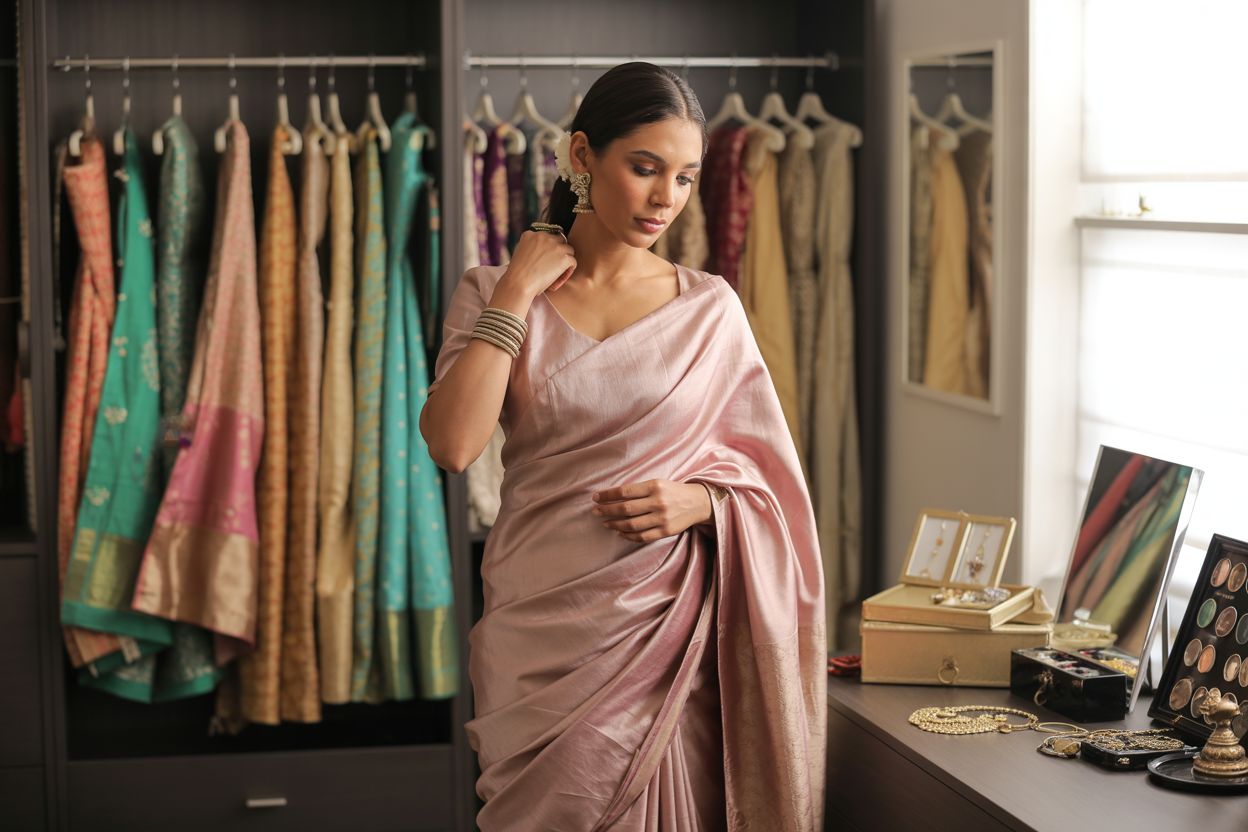
Traditional ceremonies and wedding celebrations
Gadwal silk sarees shine brightest during traditional ceremonies and weddings. The luxurious texture and rich colors make them perfect for these special occasions. Choose deep jewel tones like royal blue, emerald green, or burgundy for evening ceremonies, while lighter shades work beautifully for morning rituals.
For wedding functions, pair your Gadwal saree with heavy gold jewelry - think temple jewelry, kundan sets, or antique pieces. The saree's natural sheen complements gold beautifully. Traditional draping styles like the Nivi or Bengali drape enhance the saree's elegant fall.
Consider the ceremony's significance when selecting colors. Red remains a classic choice for bridal occasions, while yellow works wonderfully for haldi ceremonies. The intricate borders of Gadwal sarees stand out when you choose contrast blouses - a gold border saree with a deep red blouse creates stunning visual impact.
Complete the look with traditional accessories like maang tikka, bangles, and anklets. Fresh flowers in your hair add that perfect traditional touch that complements the saree's timeless appeal.
Corporate events and professional settings
Gadwal silk sarees can absolutely work in professional environments when styled thoughtfully. Opt for subtle colors like navy blue, charcoal grey, or soft pastels that maintain elegance without being too flashy. The key lies in choosing sarees with minimal zari work or simple borders.
For corporate settings, keep jewelry minimal and sophisticated. Pearl sets, small gold studs, and a simple chain work best. Avoid heavy traditional jewelry that might appear overwhelming in professional spaces. A sleek watch can replace traditional bangles while maintaining a polished look.
Drape your saree neatly with well-pressed pleats and ensure the pallu falls gracefully over your shoulder. A well-fitted blouse in a complementary solid color maintains the professional aesthetic. Choose blouse designs with modest necklines and full sleeves for conservative work environments.
Complete your corporate look with closed-toe heels and a structured handbag. Keep makeup natural and hair neatly styled. The natural sophistication of Gadwal silk speaks for itself without needing elaborate styling.
Festival wear and cultural gatherings
Festival seasons call for celebrating the vibrant beauty of Gadwal silk sarees. During Diwali, Dussehra, or regional festivals, embrace bold colors and rich patterns. Bright reds, deep purples, and festive oranges capture the celebratory spirit perfectly.
Mix traditional and contemporary jewelry for cultural gatherings. Layer different pieces - combine silver jewelry with silk sarees for a unique look, or wear statement earrings with simple necklaces. The versatility of Gadwal silk allows for creative jewelry combinations.
For cultural events like classical music concerts or dance performances, choose sarees with artistic motifs or traditional patterns. The cultural significance of these designs adds depth to your appearance while honoring the art form.
Regional draping styles can add cultural authenticity to your look. Try the Maharashtrian nauvari style for Ganesh Chaturthi or the Bengali style for Durga Puja. These variations showcase the saree's adaptability across different cultural contexts.
Accessorize with traditional footwear like juttis or kolhapuris, and consider adding a potli bag or clutch that complements your saree's color palette. Fresh jasmine or roses in your hair complete the festive traditional look beautifully.
Care and Maintenance for Longevity
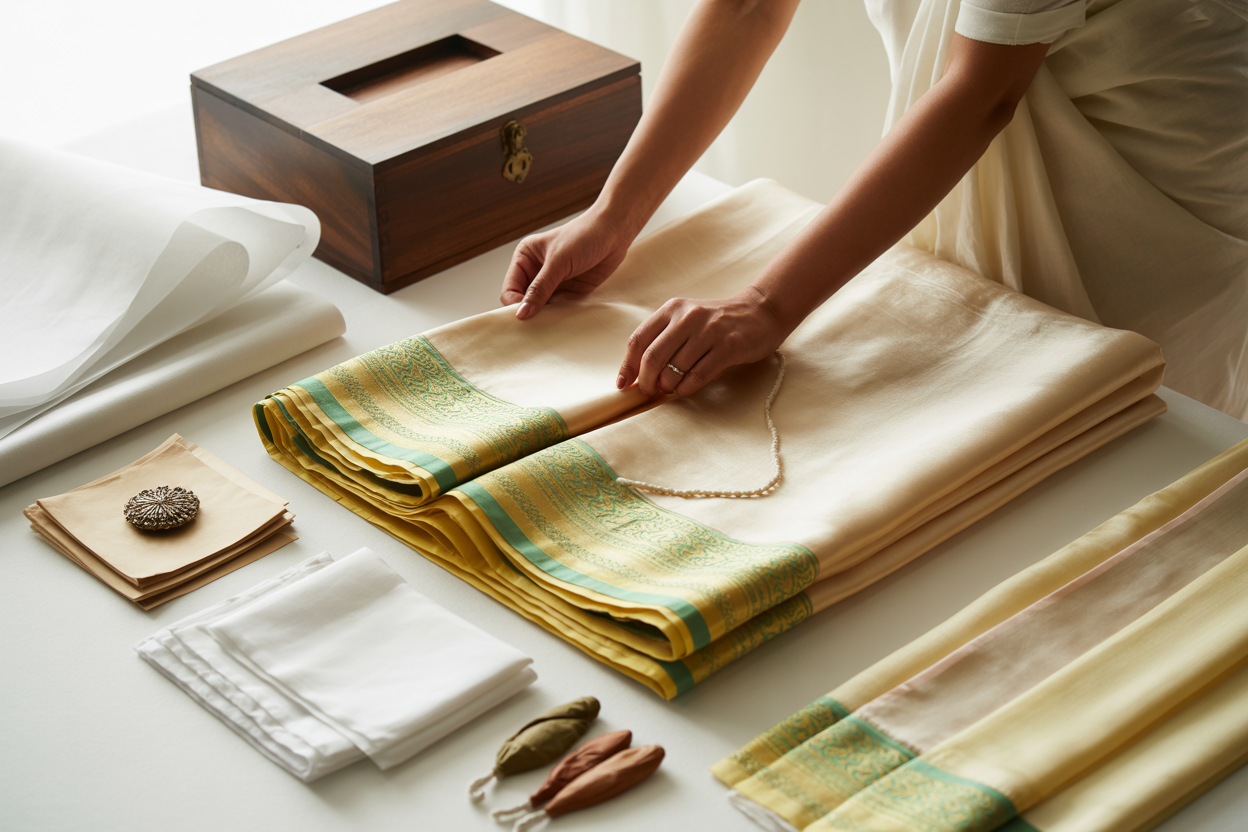
Proper Storage Techniques to Prevent Damage
Your precious Gadwal silk saree needs a dedicated storage space that protects its delicate fibers and intricate craftsmanship. Start with a clean, dry environment where temperature and humidity remain stable. Wrap your saree in pure cotton cloth or muslin before placing it in storage - this allows the fabric to breathe while keeping dust and moisture at bay.
Folding creates permanent creases that can weaken silk fibers over time. Instead, roll your saree around a sturdy cardboard tube covered in acid-free tissue paper. If rolling isn't possible, fold along the natural grain of the fabric and refold in different places every few months to prevent permanent creasing.
Keep mothballs and chemical repellents away from your sarees. These can stain or damage the silk and zari work. Natural alternatives like neem leaves, dried lavender, or cedar sachets work better and smell pleasant too. Store each saree separately or with acid-free tissue paper between layers to prevent color bleeding and snagging.
Professional Cleaning Versus Home Care Methods
Professional dry cleaning remains the safest option for Gadwal silk sarees, especially those with heavy zari work or delicate embellishments. Choose a cleaner experienced with luxury Indian textiles who understands the specific needs of silk and metallic threads.
For light cleaning at home, spot-clean minor stains immediately using a clean, damp cloth. Never rub vigorously - gentle blotting works better. For overall freshening, hang your saree in indirect sunlight for a few hours, allowing natural air circulation to eliminate odors.
If washing becomes absolutely necessary, use cold water with a mild, pH-neutral detergent designed for silk. Hand wash gently without wringing or twisting the fabric. Rinse thoroughly with clean water and roll in a clean towel to remove excess moisture before air drying in shade.
Handling Delicate Zari Work and Borders
Zari threads require extra careful handling since they can tarnish, break, or pull away from the base fabric. When wearing your saree, avoid jewelry with sharp edges that might snag the metallic threads. Remove rings and bracelets before draping to prevent accidental catching.
During storage, place tissue paper over areas with heavy zari work to prevent the metallic threads from rubbing against other parts of the saree. Never iron directly over zari - use a pressing cloth and low heat settings. For stubborn wrinkles in zari areas, steam from a distance rather than applying direct heat.
Clean zari work requires special attention. Use a soft, dry brush to gently remove surface dust. For tarnished silver zari, a jeweler's polishing cloth can restore some shine, but test on a hidden area first. Gold zari typically maintains its luster better but still benefits from gentle cleaning.
Seasonal Maintenance Tips
Before monsoon season, ensure your sarees are completely dry and stored with extra desiccants like silica gel packets. High humidity can cause mold, mildew, and fabric deterioration. Check stored sarees monthly during humid months for any signs of moisture damage.
During dry winter months, silk can become brittle. Allow your sarees to breathe by taking them out occasionally and hanging them in indirect light. This prevents the fibers from becoming too dry and cracking.
Summer heat can fade colors and weaken silk fibers. Store sarees in the coolest part of your home, away from direct sunlight and heat sources like radiators or heating vents. Air conditioning helps maintain stable temperature and humidity levels.
Change the position of folded sarees every three to four months to prevent permanent creasing. This rotation also gives you a chance to inspect for any pest damage, color bleeding, or other issues that need immediate attention.
Investment Value and Market Insights

Collector's Appeal and Resale Potential
Pure Gadwal silk sarees have carved out a unique niche in the luxury textile market, attracting serious collectors who appreciate their historical significance and exceptional craftsmanship. These handwoven masterpieces often appreciate in value, especially pieces from renowned weaving families or those featuring rare motifs and color combinations.
The collector's market particularly values sarees with documented provenance, authentic zari work, and traditional temple borders. Vintage Gadwal sarees from the 1960s and 1970s command premium prices at auctions and specialized textile exhibitions. Collectors look for specific markers like the distinctive interlocked warp-weft technique, genuine gold thread work, and the characteristic contrast borders that define authentic Gadwal weaving.
Resale potential remains strong for well-maintained pieces, with some rare sarees fetching 150-200% of their original purchase price after a decade. The secondary market thrives through specialized dealers, heritage textile auctions, and collector communities who understand the nuances of Gadwal craftsmanship. Limited edition pieces or sarees created for special occasions often become highly sought-after collectibles, making them excellent long-term investments for textile enthusiasts.
Supporting Traditional Artisan Communities
Purchasing authentic Gadwal silk sarees directly impacts the livelihoods of skilled artisan families who have preserved these weaving techniques for generations. The craft supports entire ecosystems of specialists, from silk reelers and dyers to master weavers and border specialists, each contributing their expertise to create these remarkable textiles.
When you invest in genuine Gadwal sarees, you're helping maintain employment for hundreds of artisan families in and around Gadwal town. These craftspeople earn better wages through direct sales compared to mass-produced alternatives, allowing them to continue their traditional practices while supporting their families. Many weaving cooperatives now offer fair trade certifications, ensuring artisans receive equitable compensation for their skilled labor.
The ripple effect extends beyond individual weavers to include silk farmers, dyeing specialists, and local merchants who supply materials and tools. This economic network helps preserve not just the craft itself but the entire cultural ecosystem surrounding Gadwal silk production. Supporting these communities ensures that future generations will continue learning and practicing these intricate weaving techniques, maintaining the authenticity and quality that makes Gadwal sarees so valuable.
Price Appreciation Trends Over Time
Gadwal silk sarees have shown consistent price appreciation over the past two decades, outpacing inflation and many traditional investment options. Market data indicates an average annual appreciation rate of 8-12% for authentic pieces, with exceptional sarees showing even higher returns.
Several factors drive this upward trend. Rising raw material costs, particularly high-quality mulberry silk and genuine gold zari, directly impact pricing. The decreasing number of master weavers who can create the finest quality pieces adds scarcity value to the market. Additionally, growing global appreciation for handcrafted textiles has expanded the collector base beyond traditional markets.
Price segments vary significantly based on quality and craftsmanship. Entry-level authentic Gadwal sarees start around ₹8,000-15,000, while museum-quality pieces with intricate gold work can command ₹50,000-1,50,000 or more. The mid-range market (₹20,000-40,000) shows the most consistent appreciation, appealing to both collectors and regular wearers.
Regional variations also affect pricing, with sarees purchased directly from Gadwal artisans often offering better value than those sold through high-end retail channels. The key lies in understanding quality markers and building relationships with reputable dealers who can authenticate pieces and provide provenance documentation for investment-grade sarees.

Gadwal silk sarees represent more than just beautiful clothing – they're a piece of living history woven with centuries of tradition and unmatched craftsmanship. From their unique zari borders and cotton-silk combination to the intricate interlocking technique that makes them so special, these sarees stand out in the world of handloom textiles. Knowing how to spot authentic pieces and care for them properly helps you protect both your investment and this incredible art form.
Whether you're dressing up for a wedding or adding elegance to a festival celebration, a genuine Gadwal silk saree brings timeless sophistication to any wardrobe. With proper care and storage, these sarees can last for generations while often appreciating in value. If you're considering adding one to your collection, take time to learn about authentic sellers and quality markers – your future self will thank you for choosing a piece that combines beauty, heritage, and lasting value.


